The Complete Guide to E-Waste Recycling: Why It's Important and How to Begin
E-waste recycling is an essential yet often overlooked aspect of modern sustainability. Given the rapid progression of technology, enormous quantities of electronic waste gather each year, presenting serious environmental threats. Grasping the complexities of e-waste disposal enables people to make well-informed decisions. This resource not only details efficient recycling methods but also examines the wider consequences for both the environment and economy. The journey toward responsible e-waste management begins with a few critical steps.
What You Need to Know About E-Waste
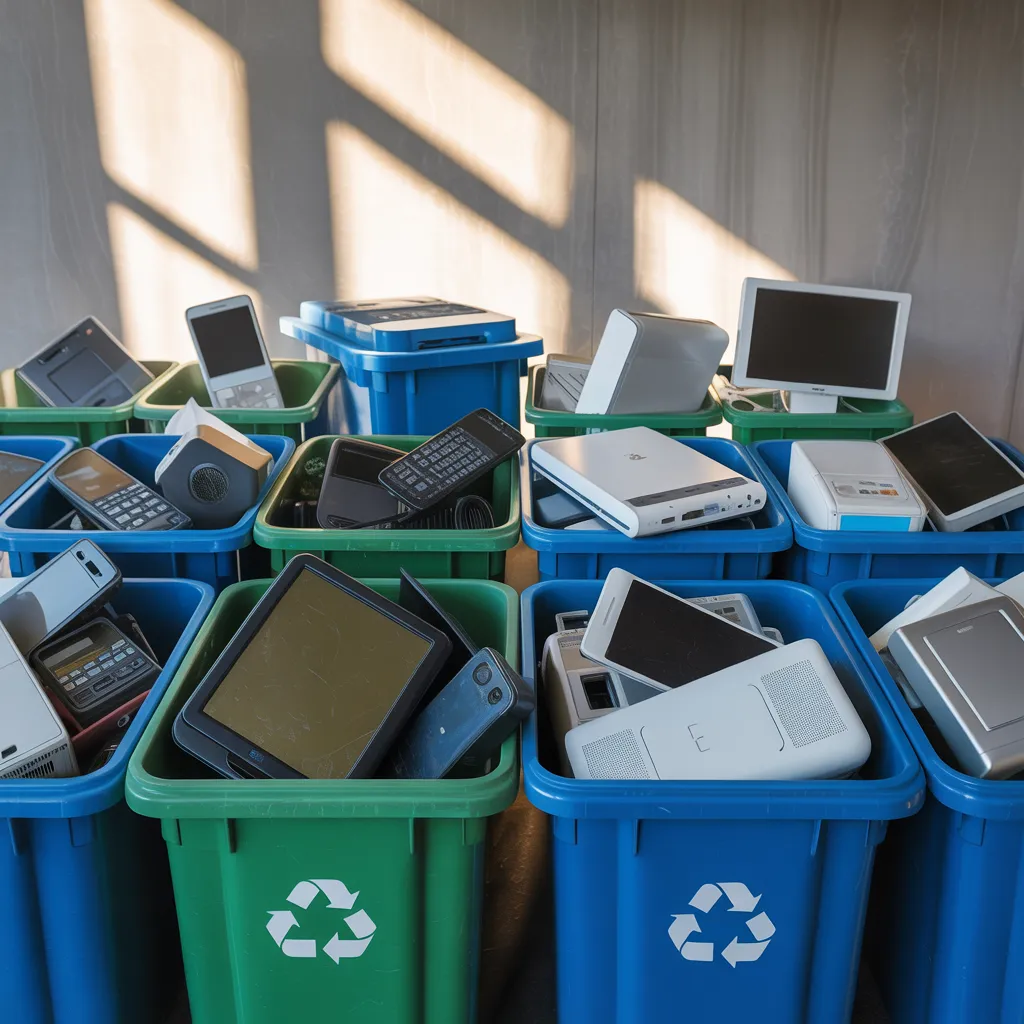
E-waste, or electronic waste, refers to discarded electrical and electronic devices, and understanding its implications is vital in today's digital age. Technological progress has led to a substantial rise in the production of e-waste, with tens of millions of tons generated each year. Such waste frequently harbors dangerous substances including lead, mercury, and cadmium, presenting significant ecological and health hazards when not handled responsibly.
Additionally, important elements like gold, copper, and rare earth metals are contained in these gadgets, which can be extracted through the recycling process. However, a large portion of electronic waste is discarded in landfills, exacerbating environmental pollution and resource loss. Awareness of proper disposal methods and the need for recycling can help resolve these challenges, encouraging a more eco-friendly approach to technology use. Grasping e-waste is vital to fostering conscientious behaviors and encouraging successful recycling programs within society.
Your Beginning Steps to E-Waste Recycling
Choosing to take action on recycling electronic waste can greatly impact environmental health and individual responsibility. To start, individuals should assess their unused or broken electronics, categorizing items such as smartphones, laptops, and printers. This process aids in gauging the amount of e-waste that requires attention. Furthermore, exploring nearby recycling options is important. Many communities offer designated drop-off locations or special collection events for e-waste.
Users must also familiarize themselves with what can and cannot be recycled, as regulations change based on the region. After locating appropriate recycling programs, wrapping the items properly for transit guarantees safety and minimizes damage. Finally, one should track the disposal process, confirming that the e-waste is handled by certified recyclers. By taking these initial steps, users support a more environmentally responsible world while responsibly managing their electronic waste.
The Environmental Impact of E-Waste Recycling
Despite being frequently ignored, the ecological consequences of e-waste recycling is deep and wide-reaching. Proper e-waste recycling serves to prevent hazardous materials, such as lead, cadmium, and mercury, from polluting soil and water supplies. These harmful compounds can lead to serious health hazards for humans and animals alike. By recycling, precious materials like gold, silver, and copper are reclaimed, minimizing the reliance on mining and diminishing the overall carbon impact connected to the extraction of resources.
Moreover, effective e-waste recycling minimizes landfill use, where decaying electronic components leak hazardous materials. It fosters a circular economy by promoting sustainable practices, urging manufacturers to incorporate recyclability into product development. In addition, recycling contributes to reduced greenhouse gas emissions by minimizing energy demands compared to new material production. Overall, the environmental benefits of e-waste recycling underscore its critical role in promoting a healthier planet and ensuring responsible management of electronic resources.
Economic Benefits of E-Waste Recycling
E-waste recycling presents substantial financial benefits, notably through workforce development and resource reclamation. Through the development of recycling centers, communities can generate employment opportunities while promoting sustainable practices. Additionally, reclaiming precious materials from e-waste reduces the need for new resource extraction, resulting in substantial financial Click here savings.
Job Creation Opportunities
Repurposing e-waste not only resolves ecological challenges but also functions as a powerful engine for job development. The e-waste recycling industry generates a variety of employment opportunities, ranging from collection and sorting to processing and refurbishing electronic devices. As demand for sustainable practices grows, this sector is expanding, requiring skilled labor in technology, engineering, and logistics. Surrounding economies prosper as new positions are regularly established in regions experiencing significant unemployment, encouraging local growth. Moreover, companies engaged in electronic waste recycling are able to encourage creativity and new ventures, nurturing a sustainable economic model. By investing in e-waste initiatives, governments and organizations not only promote environmental sustainability but also enhance economic resilience through meaningful employment opportunities.
Material Recovery Savings
The e-waste recycling industry not only produces job opportunities but also delivers significant economic advantages through resource recovery savings. By recovering precious materials including gold, silver, and copper from obsolete electronics, the recycling process decreases the reliance on virgin material extraction, which is often costly and environmentally damaging. This method decreases operational expenses for manufacturers, eventually resulting in lower prices for end users. Moreover, the energy efficiencies gained through e-waste recycling can be considerable, lowering operational expenditures for businesses and boosting overall economic efficiency. Beyond this, as global demand for electronic devices continues to rise, streamlined resource reclamation from e-waste becomes progressively vital for supporting supply chains and bolstering economic stability. As a result, e-waste recycling is a prudent investment for both the economy and the environment.
How to Recycle Your Old Electronics
Wondering where to dispose of outdated electronics responsibly? Many solutions are available for disposing of aging electronics, providing both environmental benefits and the reclamation of useful resources. Local recycling centers often accept a variety of electronics, like desktop computers, smartphones, and TV sets. Many municipalities also host periodic e-waste collection events, providing a convenient way for residents to recycle items safely.
Well-known retailers including Best Buy and Staples provide take-back initiatives, permitting shoppers to hand in their outdated electronics when acquiring new products. A number of manufacturers have established mail-in recycling initiatives, enabling consumers to send their outdated devices directly to designated facilities. Nonprofit groups may additionally welcome donations of working electronics, increasing the longevity of these products while advancing local community efforts.
Busting Popular Myths Surrounding E-Waste Recycling
While many individuals assume that e-waste recycling is inadequate, the reality is that effectively run operations can substantially decrease environmental harm. A popular misunderstanding is that e-waste is deposited in landfills regardless of recycling efforts. In truth, credible recycling operations recover useful resources and carefully handle hazardous components.
Another myth suggests that disposing of electronics through recycling is too difficult or pricey. Fortunately, numerous local initiatives provide free drop-off locations, ensuring accessibility for all individuals. Several programs additionally feature convenient collection options.
In addition, some individuals think that e-waste can always be recycled, but not every item is recyclable because of the particular materials they contain. Understanding local guidelines is essential.
To conclude, a common misconception is that e-waste recycling has no impact on job creation. In reality, the recycling industry produces thousands of employment opportunities, boosting the economy while supporting environmental sustainability. By correcting these misunderstandings, consumers can take informed action about e-waste recycling.
Common Questions and Answers
Can I Recycle Batteries With My E-Waste?
Batteries are not suitable for recycling with e-waste. They must be handled separately because of the hazardous materials they contain. Proper disposal options include specific recycling centers or collection events designed for batteries, ensuring safe and environmentally friendly processing.
What Occurs to My Data During the Recycling Process?
When recycling devices, sensitive data on devices could be vulnerable without proper erasure. Trusted recycling centers use specialized methods to guarantee complete data destruction, securing private information from unauthorized recovery or exploitation.
Are E-Waste Recycling Practices Governed by Law?
E-waste disposal is subject to various laws and regulations that change depending on geographic location. Such regulations are designed to ensure safe disposal, preserve the environment, and manage hazardous materials effectively during the recycling process.
Are There Fees for Recycling Electronics?
A number of electronics disposal facilities may charge fees for processing certain items, most notably for specific types like televisions and computer monitors. That said, certain centers provide no-cost recycling, typically supported by programs established by manufacturers or community initiatives supporting responsible disposal.
How Can I Promote E-Waste Recycling in My Community?
To advance e-waste recycling across the community, community members can coordinate outreach campaigns, engage local businesses to facilitate disposal events, and utilize social media to post helpful content about proper disposal methods and environmental benefits.
Comments on “Top Electronics Recycling for Residential Drop-Off”